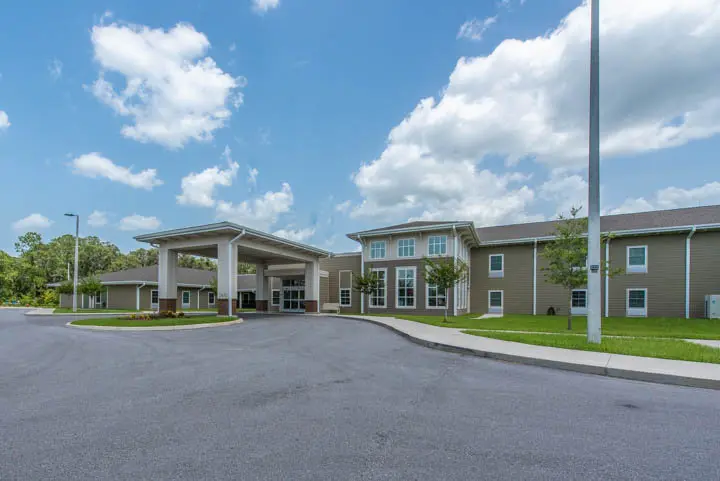
By the Twin Creeks Care Team · Reviewed by Twin Creeks Resident Care Leadership · Updated June 2026 · ~12 min read · Serving Riverview, Lithia, FishHawk, Brandon & greater Tampa Bay
Touring an assisted living or memory care community is one of the most important steps in choosing the right place for a parent or spouse—and one of the most emotional. You’re not just evaluating a building. You’re imagining your loved one’s daily life, their safety, their happiness, and the peace of mind your family will (or won’t) carry home afterward.
A good tour should feel like a conversation, not a sales pitch. The best communities welcome your questions, invite you to look closely, and give you what you need to decide with confidence. The ones to avoid rush you through, dodge direct answers, or apply pressure.
This practical, printable checklist is built for families in Riverview, Lithia, FishHawk, Brandon, and across Tampa Bay who are preparing to tour. Use it to prepare your questions, know what to observe, and compare options thoughtfully afterward. At Twin Creeks Assisted Living and Memory Care in Riverview, we believe informed families make the best decisions—and we’re glad to answer every question on this list, and then some.
💡 Quick Start: The 5 Questions That Reveal the Most
If you only have a few minutes, ask these first:
- What’s included in the monthly rate, and what costs extra?
- What’s the staff-to-resident ratio, day and night?
- If my loved one’s needs increase, can they stay here?
- How do you communicate with families about changes or incidents?
- Can I see today’s actual activity calendar and a sample menu?
Everything else on this page helps you go deeper—but these five quickly separate strong communities from weak ones.

A prepared checklist helps families ask better questions and compare communities with confidence.
Download the Assisted Living & Memory Care Tour Checklist
Print this two-page checklist before your visit so you can bring the key questions, check off what you observe, score each community, and leave room for notes while details are fresh.
🗒️ Before You Go: How to Prepare for a Meaningful Tour
A little preparation makes your visit far more productive—and far less overwhelming.
- Bring the right people. Ideally at least one other trusted family member or friend. Different perspectives help, and support matters during an emotional visit.
- Write down your questions. Print or save this checklist and add your own concerns. Bring a notebook or use your phone for notes and photos (ask permission before photographing indoors).
- Know your loved one’s situation. Be ready to describe recent changes, safety concerns, daily struggles, medical conditions, personality, interests, and what “a good day” looks like. Specifics get you better answers.
- Clarify your priorities. What matters most—proximity for visits, cost, specific services (therapy, memory care), cleanliness, activities, staff warmth, food quality?
- Plan to see both levels if relevant. If memory care could be needed now or later, ask to tour both assisted living and memory care in the same visit.
- Allow enough time. Rushed tours miss details. Plan for at least 60–90 minutes, plus time afterward to debrief.
- Use all your senses. Notice how the community smells (clean, not antiseptic or odorous), sounds (gentle conversation and activity vs. institutional noise or eerie silence), and feels (welcoming vs. cold or chaotic).
📋 Pro tip
Visit at different times of day. A community can feel one way at 10 a.m. and very different at 5 p.m. Many families learn the most from a second visit—ideally unannounced—around mealtime or late afternoon, when staffing and resident mood are easiest to read.
👀 What to Observe (Often More Telling Than the Answers)
First impressions and small details frequently reveal more than scripted talking points.
Arrival & Exterior
- Is the entrance welcoming and easy to navigate?
- Are the grounds well-kept? Is there safe, accessible outdoor space?
- Is parking and access easy for visitors with mobility needs?
Overall Atmosphere
- Does it feel warm and residential or clinical and institutional?
- Are residents up, about, and engaged—or mostly idle in rooms or hallways?
- Do staff interact warmly and respectfully, or rushed and task-focused?
- Is the environment clean, well-lit, and free of strong odors?
Staff Interactions
- Do staff greet you and residents by name?
- Do they seem to know individual residents’ preferences and needs?
- Do you see consistent staffing (familiar faces) or signs of being short-staffed?
Resident Well-Being
- Do residents look clean, appropriately dressed, and cared for?
- Are they engaged in something meaningful or mostly passive?
- Do they seem content—or do you notice distress, agitation, or isolation?
Memory Care–Specific (if touring that unit)
- Is the unit secure but not prison-like? (Monitored exits and keypads are normal and necessary.)
- Are there clear visual cues, easy wayfinding, and a calm atmosphere?
- Do activities and interactions seem suited to varying cognitive abilities?
- Is outdoor space safe and accessible for residents with dementia?
🩺 Care & Staffing Questions
These get at the quality and consistency of daily support.
- What assisted living (and memory care, if relevant) services are included in the base rate, and what costs extra?
- How are care needs assessed before move-in, and how detailed is the initial care plan?
- How often are care plans reviewed and updated? Who participates?
- What’s the typical staff-to-resident ratio during the day and overnight, in each level of care?
- How are staff trained, screened, and supervised? Is there specialized dementia training for memory care staff?
- If my loved one needs more help than the current plan provides, can needs be met here—or would a move be required?
- How quickly can a resident typically get help after pressing a call button?
- Who provides hands-on care (CNAs, med techs, nurses)? What’s the nursing coverage?
- How do you handle emergencies, falls, or sudden changes in condition?
- Can residents receive hospice care here if needed, or would they have to move?

Ask to see apartment layouts, personal furniture options, storage, lighting, accessibility, and daily comfort details.
Bring the checklist with you
A written list helps you compare communities clearly after the emotion of the tour settles.
Outside resource: For memory-care tours, the Alzheimer’s Association’s residential care checklist is a useful companion.
🔒 Memory Care Safety & Environment Questions
If memory care is a possibility now or later, these are essential.
- What security features prevent unsafe wandering or elopement while still allowing safe outdoor time?
- How do you handle a resident who becomes agitated, aggressive, or distressed? What non-pharmacological approaches do you try first?
- What specialized programming and activities do you offer for residents with dementia?
- How is the physical environment designed to reduce confusion (lighting, signage, layout, cues)?
- If a memory care resident goes to the hospital, can they return to the same unit and room?
- How do you support residents who sundown or struggle with sleep/wake cycles?
- What training do memory care staff receive beyond basic certification, and how often?
- How do you balance safety with dignity and quality of life for residents with advanced memory loss?
🍽️ Dining & Daily Nutrition Questions
Food and mealtimes are central to health, routine, and quality of life.
- How are meals prepared and served? Is there a restaurant-style experience?
- Who leads dining services, and what’s their background? Ask who leads dining services and how the team handles resident preferences and dietary needs.
- How are dietary needs, allergies, texture modifications, and preferences handled?
- Can residents choose when and where to eat, or are mealtimes fixed?
- Is eating assistance provided when needed, and delivered respectfully?
- Are snacks and hydration available between meals? How is intake monitored?
- Can families join for meals? Is there a private dining option for special occasions?
- And the best test of all: when you ask residents directly, what do they say about the food?
🎨 Activities, Social Life & Quality-of-Life Questions
A community is more than care—it’s where your loved one will spend their days.
- What does a typical day or week of activities look like? May I see the current calendar?
- Who plans and leads activities? Is there a dedicated life-enrichment or activities director?
- How are activities adapted for different abilities and interests, including memory loss?
- Are there chances to continue old hobbies or try new ones?
- How do you support spiritual needs, worship, or connection to faith communities?
- What transportation is available for outings, appointments, and shopping?
- How do you help new residents make friends and avoid isolation?
- Can residents have pets visit—or, in some cases, live with them?

Outdoor space, common areas, and quiet places to visit are worth noticing during the tour.
💵 Floor Plans, Costs & Practical Questions
These clarify the living environment and the financial reality. Pricing varies by community, apartment, and care level, and memory care is usually higher than assisted living because of staffing, security, and specialized programming. Itemized clarity matters.
- What floor plan options are available now in assisted living and memory care?
- What are the monthly rates by room type and care level? What’s included vs. extra?
- Are there move-in fees, community fees, or other one-time costs? (Ask for the exact amount in writing.)
- How is billing handled, and what’s the process—and history—for rate increases?
- What changes financially if a resident moves from assisted living to memory care?
- Are discounts available (veteran, first responder, couple)? (Ask about VA Aid & Attendance and Medicaid waiver eligibility.)
- Can residents bring their own furniture and personal items?
- How long is the typical wait for a desired floor plan, and how does availability work?
For a deeper breakdown, see our companion guide: Understanding Assisted Living Costs in Riverview & Tampa Bay.
👨👩👧 Family Communication & Involvement Questions
Strong family partnership is a hallmark of quality communities.
- How do you communicate with families about day-to-day well-being, incidents, or changes?
- How often are care conferences or family meetings held?
- Who is the primary point of contact, and how easy is it to reach staff?
- Can families visit at any reasonable time, or are there restrictions?
- How are families involved when care plans change or big decisions arise?
- What’s your policy on family joining activities or meals?
- How do you handle complaints or concerns from families?
Bring the checklist with you
A written list helps you compare communities clearly after the emotion of the tour settles.
📦 Transition & Move-In Support Questions
The move itself—and the first few weeks—can make or break the experience.
- What does the move-in process look like, and how do you help new residents adjust?
- Is there a dedicated person or team supporting new residents through the transition?
- How do you handle homesickness, anxiety, or resistance to the move?
- What should families bring (and not bring) on move-in day?
- How quickly can we expect regular updates in the first few weeks?
- What support is available if the transition is hard for the resident or family?
⭐ Questions to Ask Specifically at Twin Creeks
When you tour Twin Creeks in Riverview, these surface what makes us different:
- How does our award-winning chef approach dining for both assisted living and memory care residents?
- How does the in-house physical and occupational therapy program work with insurance?
- How does the Resident Life Coordinator build individualized programming around each resident’s life story and interests?
- What feedback have you heard from families whose loved ones transitioned from assisted living to memory care here?
- How do you maintain the cleanliness and low-odor environment families often notice on tour?
- Can you share recent examples of supporting families from the Lithia and FishHawk areas specifically?
Look for transparency
A good tour should welcome detailed questions about care, costs, staffing, safety, dining, and communication without making the family feel rushed.
🧮 After the Tour: How to Decide & Compare
Debrief while impressions are fresh. As soon as you’re back in the car, jot down:
| Question | What to capture |
|---|---|
| What felt right? What raised concerns? | Gut reactions, before they fade |
| How did the staff make you feel? | Heard and respected—or rushed and pressured? |
| Did you get clear answers? | Especially on cost, care increases, and communication |
| How did residents seem? | Engaged and content, or idle and withdrawn? |
| What would daily life look like here? | Picture an actual Tuesday for your loved one |
| How easy are visits from home? | Drive time from Lithia, FishHawk, or wherever you live |
Aim to tour 2–4 communities so you have real points of comparison. It’s wise to revisit a finalist on a different day or time. Trust your observations and your gut: the right community is the one where you can picture your loved one safe, cared for, and as happy and engaged as possible—and where you feel confident in the team’s partnership with your family.
Helpful Tour Planning Links
Here are a few Twin Creeks pages and public resources families can review before a tour.
Twin Creeks memory care
Memory-care details for families comparing safety, routines, and dementia support.
Outdoor courtyard at Twin Creeks
Details on outdoor access, walking paths, and quiet visiting spaces.
Twin Creeks fitness room
Background for questions about movement, therapy support, and daily activity.
Contact Twin Creeks
Contact Twin Creeks to schedule a tour or ask a specific follow-up question.
Florida long-term care ombudsman
Florida’s resident-advocacy resource for people living in long-term care communities.
CDC older adult fall prevention
Government guidance families can use when asking about mobility, falls, and environmental safety.
Riverview, Florida local context
Background on the local area around Twin Creeks for out-of-area relatives planning a visit.
Alzheimer’s Association tour checklist
A reputable companion checklist for families touring memory care.
📅 Ready to Schedule Your Tour at Twin Creeks?
If you’re preparing to tour assisted living or memory care in Riverview, Lithia, FishHawk, or greater Tampa Bay, we invite you to put Twin Creeks on your list. We’re proud of our caring team, beautiful community, award-winning dining, in-house therapy, and the way we partner with families to find the right level of support—assisted living, memory care, or a clear path between the two.
📞 Call Twin Creeks at 813-278-5800 or use our contact form to schedule a personalized tour. Bring this checklist, your questions, and an open mind.
Twin Creeks Assisted Living and Memory Care
13470 Boyette Road
Riverview, FL 33569
Assisted Living Facility License #13122
Choosing senior living is never easy—but with the right information and a thoughtful tour, you can move forward with greater confidence and peace of mind.
Ready to see Twin Creeks in person?
Schedule a personalized tour at 13470 Boyette Road in Riverview and bring your family questions with you.
Call 813-278-5800Contact Twin CreeksDownload PDF
Twin Creeks Assisted Living and Memory Care
13470 Boyette Road, Riverview, FL 33569
Assisted Living Facility License #13122
🙋 Frequently Asked Questions: Touring Assisted Living & Memory Care
How long should a good tour take?
Plan for at least 60–90 minutes, plus time to ask questions and observe. Rushed tours miss important details, and a quality community will encourage you to take your time.
Should I tour both assisted living and memory care even if I think we only need one?
Yes, if there’s any chance your loved one’s needs could change. Seeing both during one visit clarifies the differences and gives you a picture of options if a transition becomes necessary later.
What’s the single most important thing to look for on a tour?
Watch how staff interact with current residents. Warm, patient, respectful interactions that show staff know residents as individuals are among the strongest signs of quality care. Also note cleanliness, odors, resident engagement, and how directly your questions are answered.
Can I bring my loved one on the tour?
Many families do, and it can help your loved one see the community and meet staff. But some people become anxious when they feel they’re being “placed.” Decide as a family whether a solo information-gathering visit first, or including your loved one, makes more sense for your situation.
How soon after a tour should I decide?
There’s no single timeline. Some families decide quickly after finding the right fit; others need time to compare, discuss finances, or involve more family. A good community gives you space and won’t pressure an immediate decision.
What documents should I bring?
Bring a list of current medications, medical conditions, recent hospitalizations or falls, and any legal documents (power of attorney, healthcare surrogate) if you have them. You don’t need everything on the first visit, but basic health info helps the community give accurate guidance on fit and pricing.
How do I compare pricing across communities?
Ask for a clear, itemized breakdown of what’s included vs. extra. Compare the base price and covered services, move-in or community fees, and how rate increases are handled. The lowest price isn’t the best value if care or quality is lacking.
This tour checklist is provided to help families prepare for one of the most important decisions they’ll make. It is not exhaustive and is not medical, legal, or financial advice; cost figures are general estimates from cited public sources that vary by circumstance. Use it alongside guidance from physicians, elder-law attorneys, and financial advisors as appropriate. Twin Creeks Assisted Living and Memory Care is an Equal Housing Opportunity provider and welcomes your questions during a personalized tour.